- Free shippingON ORDERS OVER $100


Lightweight Graphic Pocket Sweater
$ 70.00
Model is 5'9'' and is wearing a size S
(Chest 31'', Waist 24'', Hips 35'').
This product is currently out of stock. Select your size and subscribe to get notified when your size is back in stock.
Find in local store
Features
Features
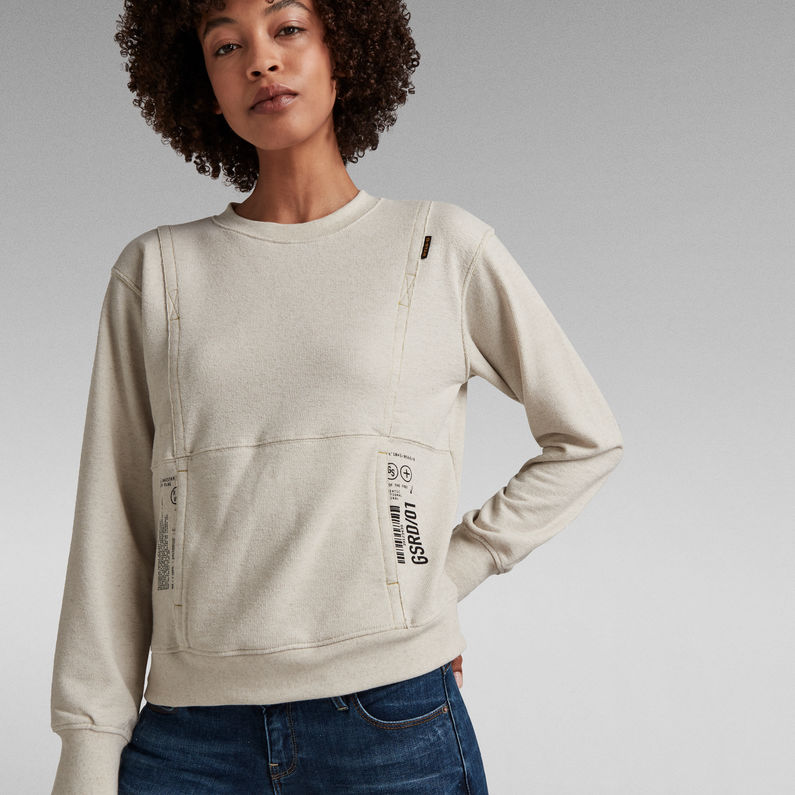
Tweater Graphic Pocket is designed with reinforcement tapes added to the inside of the vertical seams. This top offers a straight fit and long sleeves with a ribbed cuff. Waist pockets are caught in the seams and graphic prints are added to the sides. This lighter weight sweater offers the comfortable wear of a jersey top.
Straight Fit
Round neck, ribbed
Long sleeves, ribbed cuff
Pockets placed in the seams
Straight hem- ribbed edge
Woven tape reinforcement behind the seams and front details
Graphic print at both sides
Material
Material
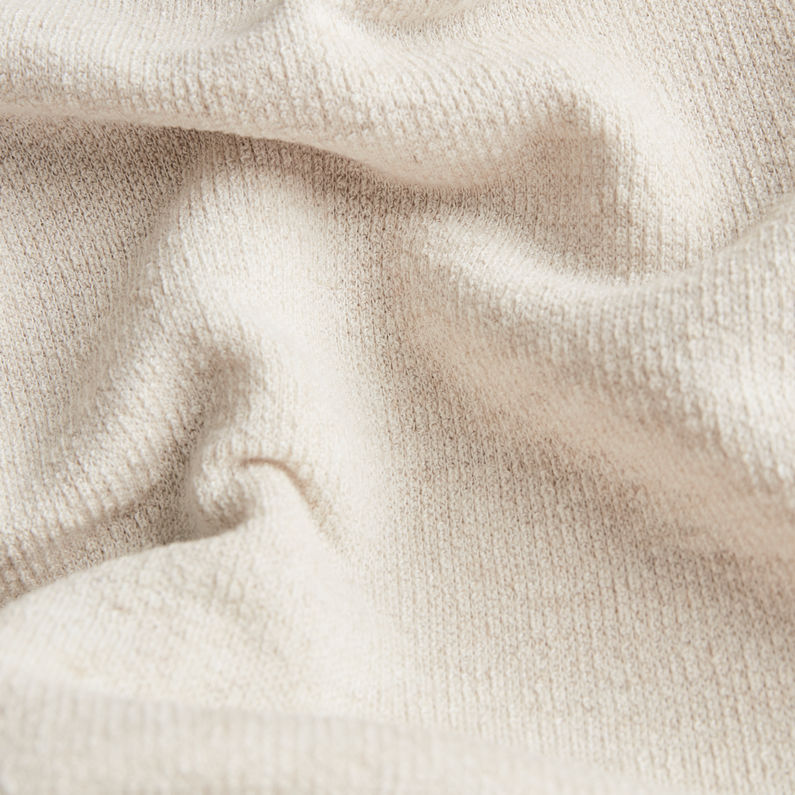
Olson Jersey
This jersey is created out of recycled polyester and linen, creating in interest in texture and color blend.
- jersey knit
- 50% Polyester (Recycled), 30% Polyester, 20% Linen
- Recycled polyester is produced from post-consumer or post-industrial waste materials such as PET plastic bottles and apparel. Material that would otherwise have been sent to landfill or to incineration.
- Linen is renewable and biodegradable natural fiber that normally does not require use of pesticides. Furthermore it uses less water and is stronger than conventional cotton.
Color
Ecru
Washing Instructions
105°F normal processDo not bleachDo not tumble dryMedium temperature iron 300°FDo not dry cleanDry flatWash inside out, Wash separately or with similar colours, Do not iron print, trims and accessories
Art nr: d19934-c808-159
Sustainability & Traceability
Sustainability & Traceability
Preferred Materials
- 50% Polyester (Recycled) made from pre- or post-consumer plastic/polyester waste, of which PET bottles are the most common source. By giving discarded resources a new life we save raw materials, water, chemicals and energy.
- 20% Linen made from fibers of the flax plant. Producing linen requires less energy and water compared to conventional fibers.