- Free shippingON ORDERS OVER $100


Sobiru Sweatpants
$ 160.00$ 96.00
Model is 6'1'' and is wearing a size M
(Waist 31'', Hips 38'').
This product is currently out of stock. Select your size and subscribe to get notified when your size is back in stock.
size
No stock available
Find in local store
Features
Features
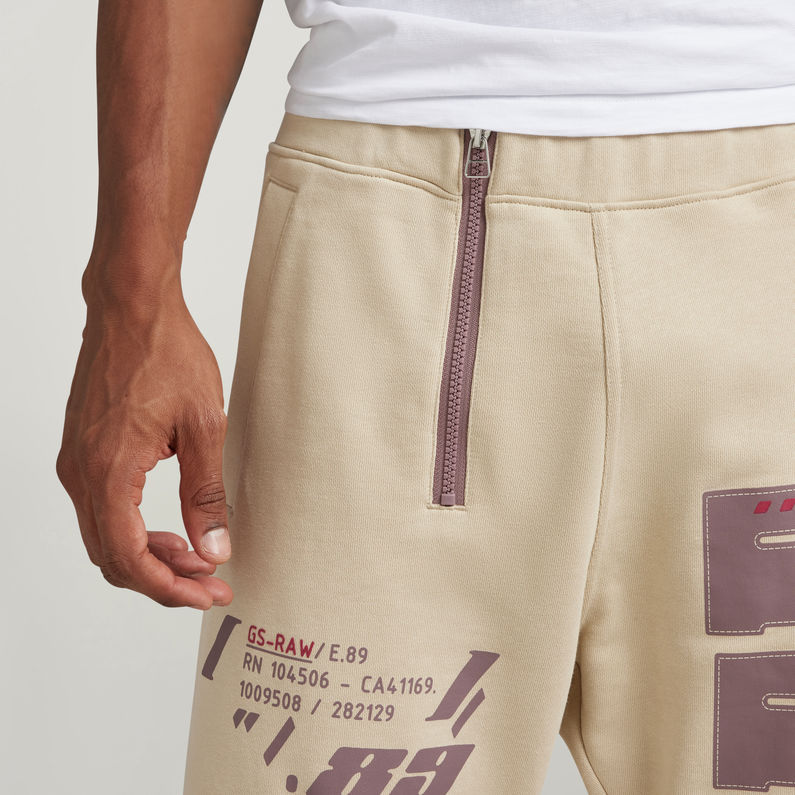
These Sobiru sweat pants are inspired by Japanese Tobi pants. The fit is baggy to a point below the knees, abruptly narrowing at the calves, so it fits high boots easily. A zipper is placed at the front of these joggers, where an additional drawcord is added to the elasticated waist. Precisely placed darts add to a comfortable fit around the knees. Graphic prints complete it.
Relaxed Fit
Mid waist
Inset pockets at front, single welt back pocket
Elasticated waist- drawstring inside- zipper front closure added
Ribbed cuffs
Shaped knees- darts aside
Graphic prints at the front and back
Material
Material
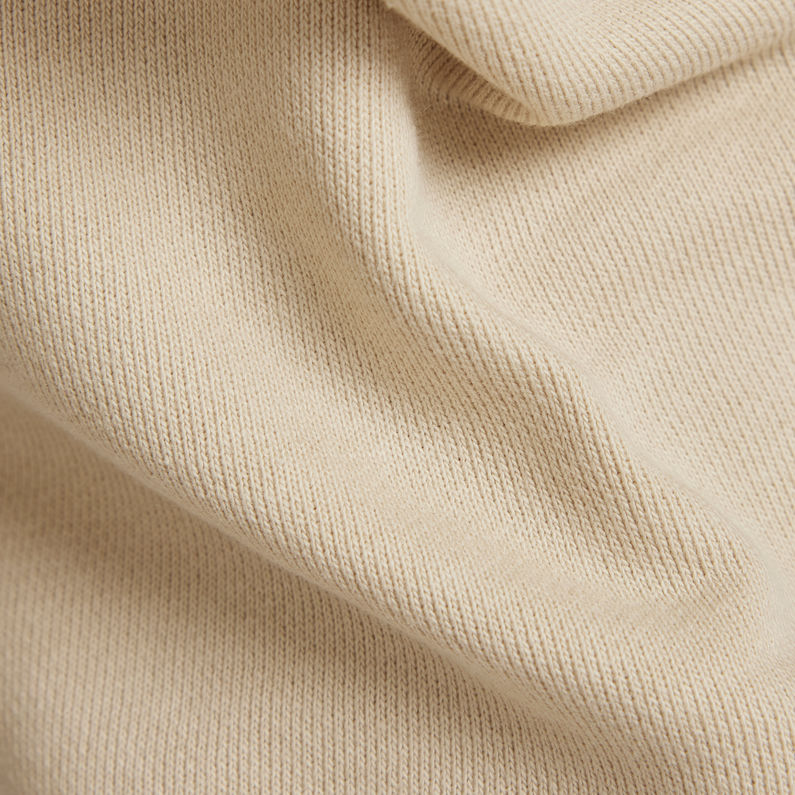
Heavy Sherland Sweat Recycled Unbrushed
This style is cut from a soft sweat fabric. The looped terry interior remains unbrushed to create a wicking feature.
- Soft knitted sweat fabric
- Unbrushed, terry looped inside
- 60% Cotton, 40% Polyester (Recycled)
- By buying cotton products from G-Star Raw, you're supporting more sustainable cotton farming through the Better Cotton Initiative. Better Cotton is sourced via a system of Mass Balance. Find out more about our sustainable materials.
- Recycled polyester is produced from post-consumer or post-industrial waste materials such as PET plastic bottles and apparel. Material that would otherwise have been sent to landfill or to incineration.
Color
Brown Rice
Washing Instructions
65-85°f normal processDo not bleachDo not tumble dryLow temperature iron 230°FDo not dry cleanDry flatWash inside out, Wash separately or with similar colours, Do not iron print, trims and accessories
Art nr: d21514-a613-d309
Sustainability & Traceability
Sustainability & Traceability
Preferred Materials
- 40% Polyester (Recycled) made from pre- or post-consumer plastic/polyester waste, of which PET bottles are the most common source. By giving discarded resources a new life we save raw materials, water, chemicals and energy.